ServicesPaint and Refinishing
Paint and Refinishing in Lemoore Station
We repair paint so it reads as one finish again: correct color, correct depth of metallic, correct gloss. From the estimate to handing back the keys, one person at our shop answers your questions and keeps the repair on track.
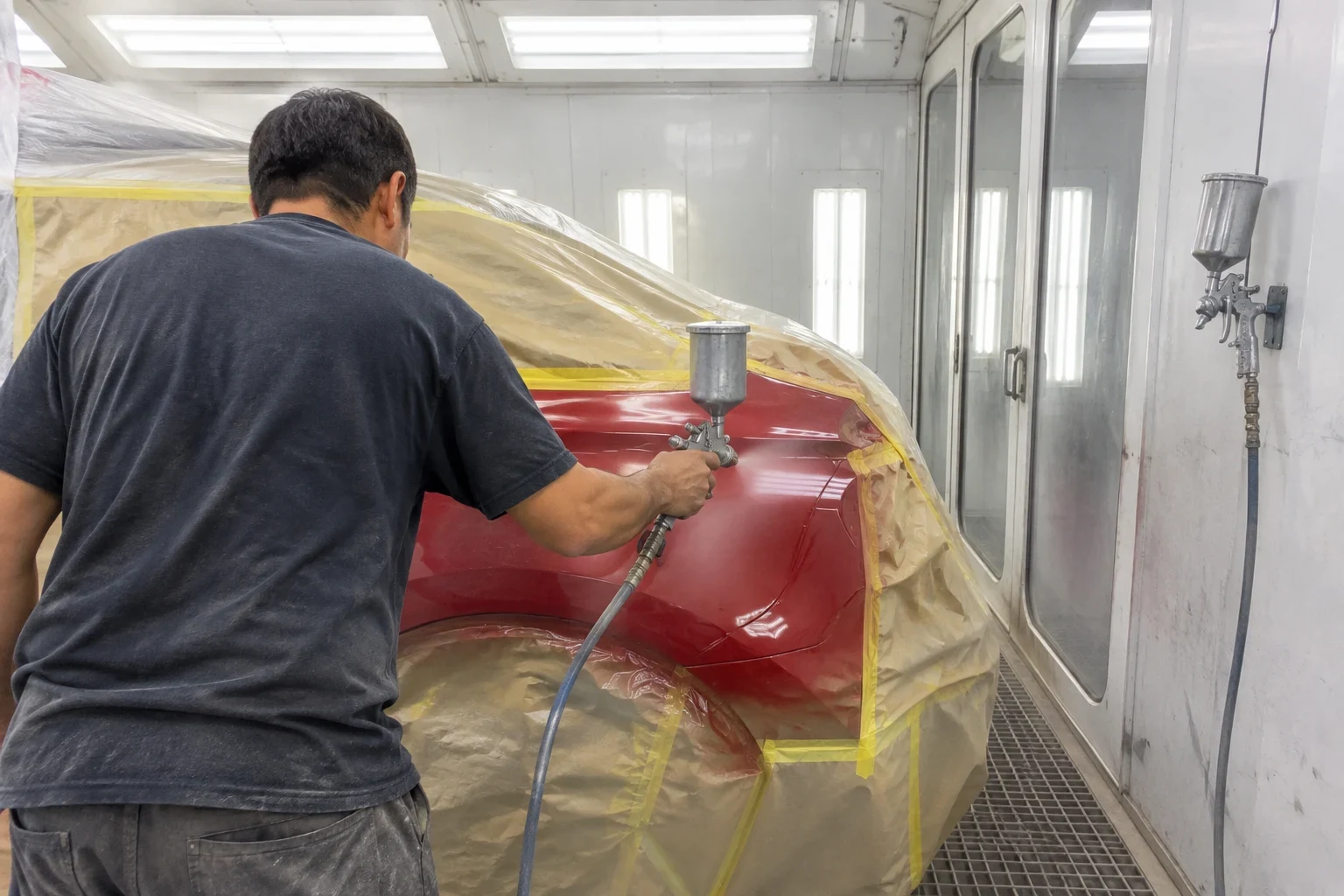
Paint work that matches the car, not just the code
A paint code gets you close. It does not account for how your car's factory finish has aged, how the metallic flake lies, or how the color shifts from one batch to the next. Good refinishing closes that gap, so the repaired panel looks the same as the door beside it under shop lights, in shade and in full sun.
Our shop is I-CAR Gold certified, and our paint work follows the same careful order every time: correct prep, a tested color, blending where the eye would catch a line, then clear coat that is cured, sanded and polished to match the surrounding gloss.
You deal with one person the whole way. They look at your car with you, write the estimate, tell you when it goes into the booth and walk you around it when it is done. If you also need collision repair, dent repair or bumper repair before paint, the same contact coordinates all of it.
What a paint repair includes
Color matched and tested
We pull your paint code, mix the formula and spray a test card first. That card is held up against your car in daylight before any panel gets color.
Prep down to a sound surface
Damaged paint is sanded back to a clean, stable layer. Bare metal gets corrosion-resistant primer, then sealer, so the new finish bonds to something solid.
Blending into adjacent panels
A hard stop at the seam between two panels tends to show, even with the right formula. So the new color is feathered gradually across part of the next panel, which keeps a repaired fender from reading as a slightly different shade than the door.
Clear coat, cured properly
Clear is what shields the color from sun and weather. We spray it in our booth and let it cure fully before the panel is handled.
Color sanding and polish
Fresh clear can carry a faint texture. We wet sand and polish it so the gloss and smoothness line up with the original finish around it.
Careful masking and reassembly
Trim, handles and emblems are removed or masked, then refitted once the paint is done. Your car is cleaned before it goes back to you.
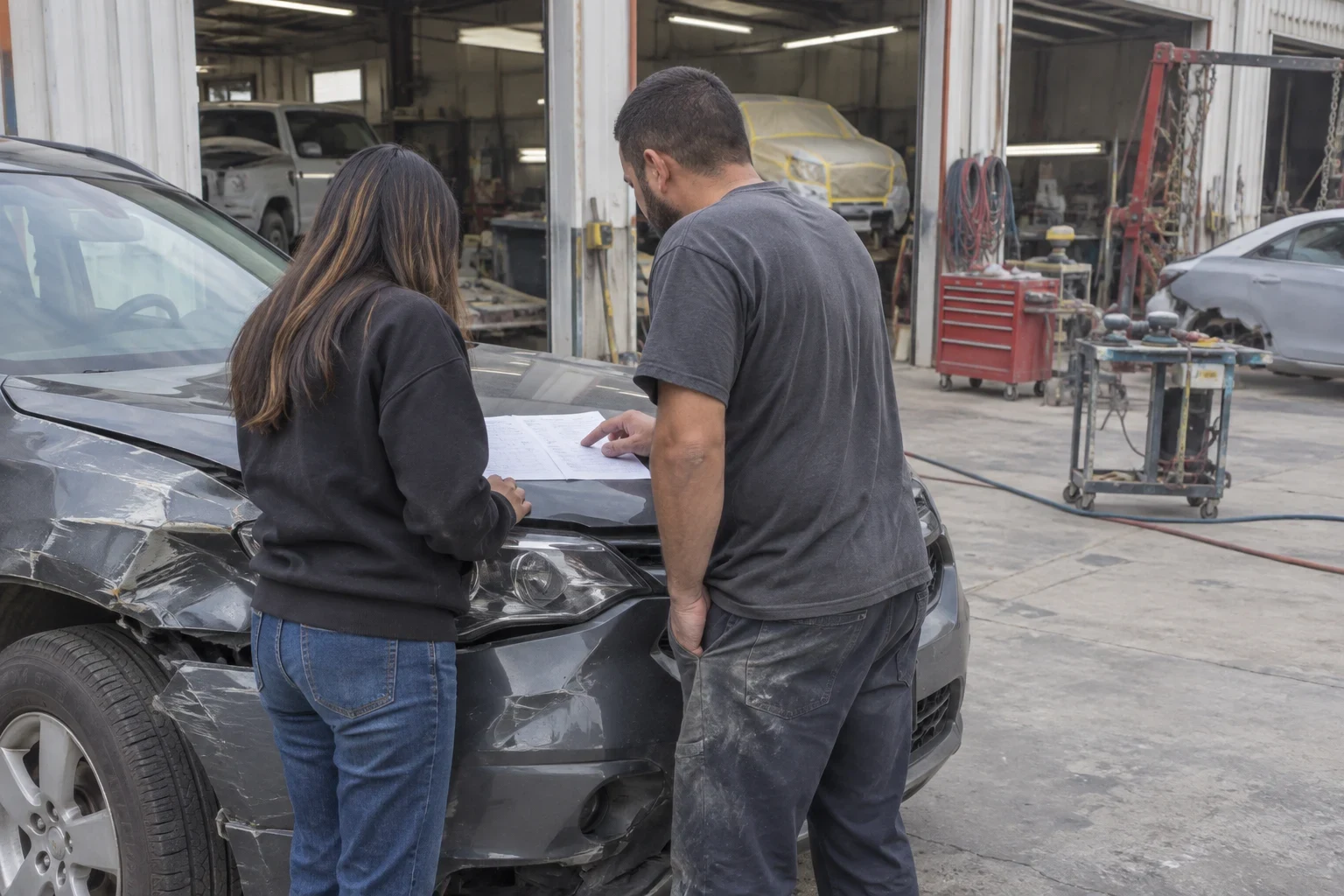
Signs your car needs paint work
- Clear coat peeling or flaking
- Once clear starts lifting, usually on the roof, hood or trunk, it keeps going. The color underneath fades quickly without it.
- Chalky, faded color
- Oxidized paint looks dull and leaves residue on a cloth. Hard summer sun across the Central Valley speeds this up on horizontal panels.
- Scratches you can feel with a fingernail
- If a scratch catches your nail, it has gone through the clear and often into color or primer. Polishing will not remove it.
- Rust starting at a chip
- Small bubbles around a stone chip mean moisture has reached the metal. Caught early, it is a small repair.
- An old repair that never matched
- A panel that looks slightly off in sunlight can be refinished and blended so it finally reads as part of the car.
How your paint repair moves through our shop
- 1
Look it over together
You bring your car in and your contact goes around it alongside you. Together you sort the damage into three groups: panels that need refinishing, marks that will polish out and spots best left as they are.
- 2
A written estimate
You get the estimate line by line: panels to refinish, panels to blend, parts to remove and any repair needed under the paint. Nothing is added later without talking with you first.
- 3
Prep, mask and spray
The car is prepped, masked and painted in our booth, with color confirmed on a test card first. Base coat and clear go on in controlled conditions, away from dust.
- 4
Cure, finish and inspect
Once the clear cures, we sand, polish and reassemble. Before you get a call, the work is checked outdoors in natural light, where mismatches show.
- 5
Walk-around at pickup
Your contact reviews the finished paint with you and explains how to care for it during the first few weeks.
What moves the price of paint work
Paint cost depends far more on preparation and color than on the size of the scratch. We explain each line on the estimate so you can see where the time goes. If an insurance claim is involved, our Insurance Claims page covers how that part works.
- Number of panels and blending
- A single bumper corner costs less than a door, and blending into the next panel adds time. Blending is often what makes the repair invisible.
- Type of color
- Solid colors are the simplest. Metallics, pearls and three-stage colors need extra coats and more careful matching.
- What is under the paint
- Rust, cracked filler or a dent beneath the finish has to be fixed first. We note it on the estimate before work starts.
- Trim and parts removal
- Removing moldings, handles and sensors for clean edges takes labor, and some clips are single-use and need replacing.
Paint and refinishing questions
- Will the new paint match the rest of my car?
- Every step is aimed at that. We begin with the factory code, adjust the formula against a sprayed test card and blend into the panels next to the repair. Before we hand your car back, it is checked outside in natural light.
- Can you paint just the scratched spot?
- On a bumper, a small area can sometimes be spot repaired. On most flat panels, a partial repair leaves an edge you can see, so we refinish the whole panel and blend nearby. We will give you a straight answer about which one your car needs.
- How long will my car be at the shop?
- The schedule comes down to the panel count and whether any repair has to happen beneath the paint first. Clear coat also needs to cure before it can be sanded and polished. Your contact sets out a realistic timeline when you get the estimate and keeps you posted as the work moves along.
- When can I wash or wax the new paint?
- A gentle hand wash is usually fine after a short wait, and we will give you the exact timing at pickup. Skip wax and automatic car washes for several weeks while the clear finishes curing.
- Is paint covered if I file an insurance claim?
- Paint on damaged panels is normally part of a collision claim, including blending when it is needed for a match. Your insurer makes the coverage decisions. We can walk you through how the estimate and the claim relate to each other.
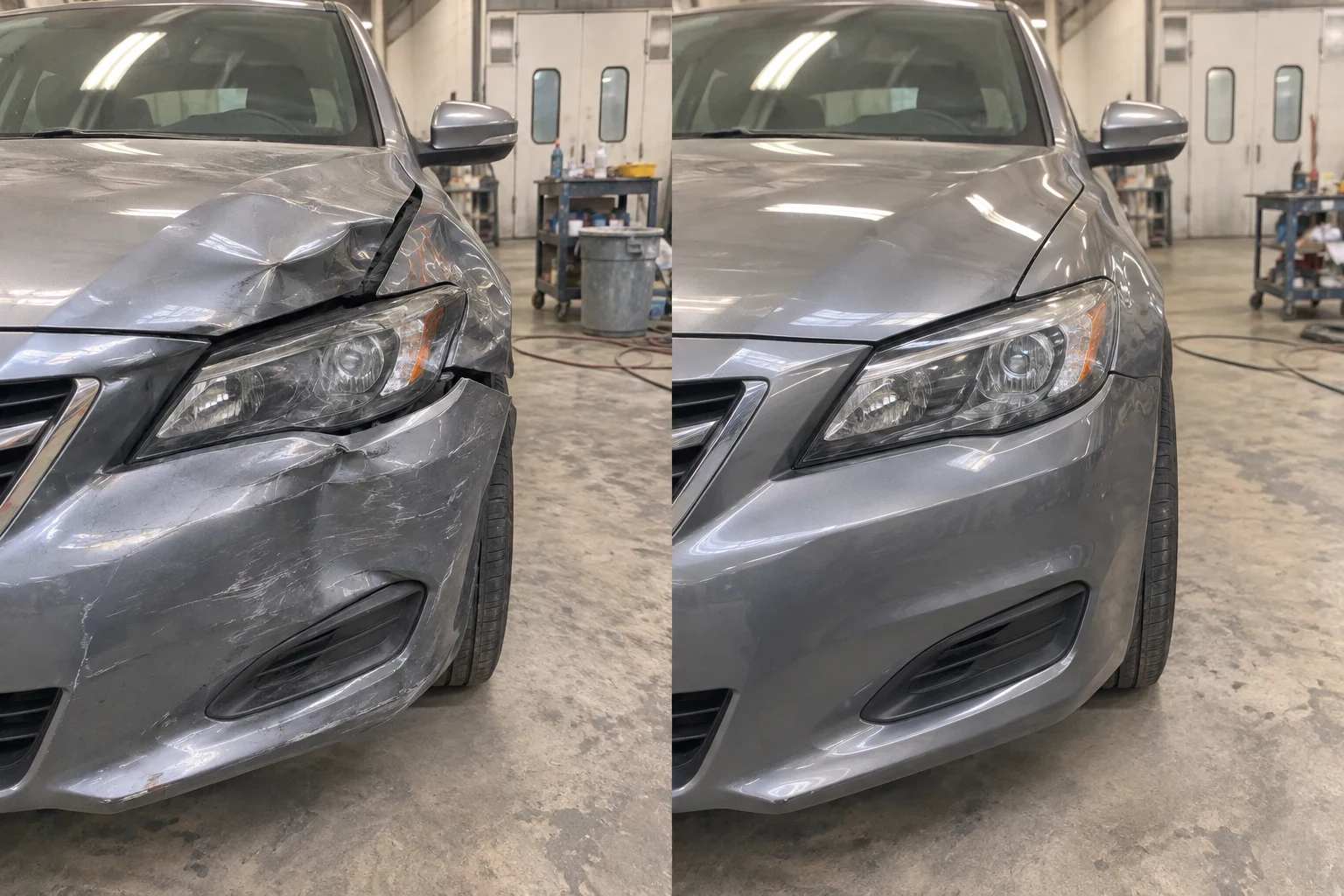
Have your car's finish looked at
Bring your car by after a phone conversation, and the same person who looks at it will see the paint through to pickup. You will know what it needs before anything starts.